 zurück zum Browser-Scan
 Blog
Entdecke Artikel über Privatsphäre, Sicherheit und Browser-Fingerprinting
Können Websites deinen Computernamen sehen?
Ein Hostname ist nicht dein PC-Name. Teste live, was Browser und Dateiauswahl verraten, und erfahre, auf welchen Wegen ein Gerätename sichtbar werden kann.
12. Okt. 2026
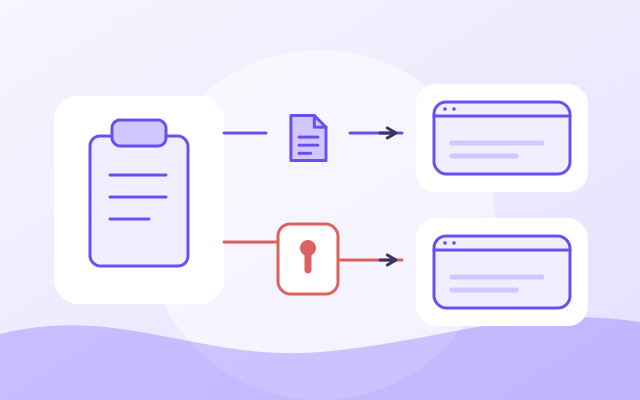
Können Websites deine Zwischenablage lesen? Teste beide Wege
Beim Einfügen erhält eine Seite deinen Text. Mit einer Berechtigung kann sie auch direkt lesen. Teste beide Wege und die Unterschiede zwischen Chrome, Firefox und Safari.
10. Okt. 2026
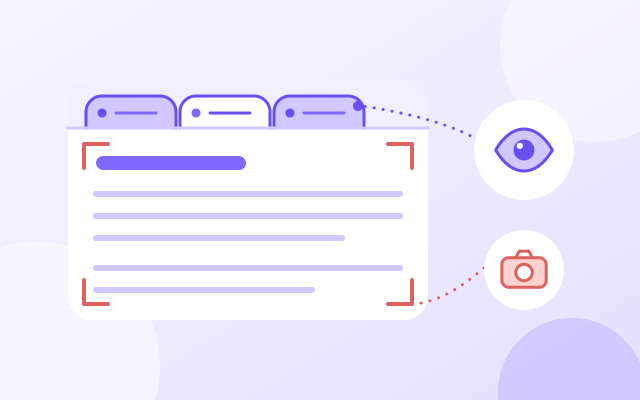
Sieht eine Website Tabwechsel, Kopieren und Screenshots?
Websites sehen Tabwechsel, Kopieren, Einfügen und Drucken, aber keine Screenshots oder Bildschirmaufnahmen. Teste live, was eine Seite über dich mitschreibt.
Aktualisiert 10. Okt. 2026
WebGL-Fingerprinting: Was deine GPU jeder Website verrät
Jede Website kann über WebGL deine Grafikkarte auslesen. Sieh, was deine preisgibt, warum Checker „WebGL renderer info is spoofed“ melden und was wirklich dagegen hilft.
30. Sept. 2026
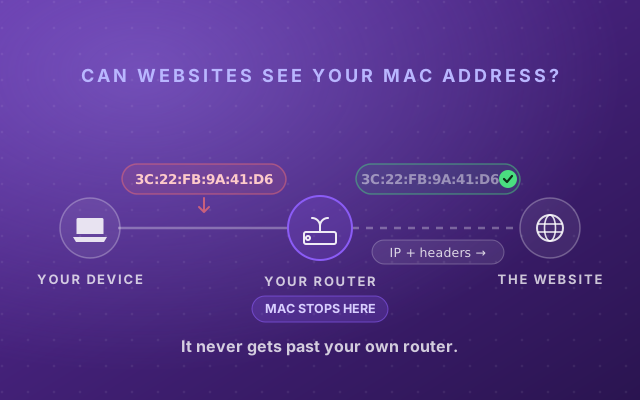
Können Websites deine MAC-Adresse sehen? Was sie stattdessen nutzen
Deine MAC-Adresse kommt nie über deinen eigenen Router hinaus, und Browser haben keine API dafür. Sieh live auf dieser Seite, woran Device-Bans wirklich hängen.
Aktualisiert 12. Okt. 2026
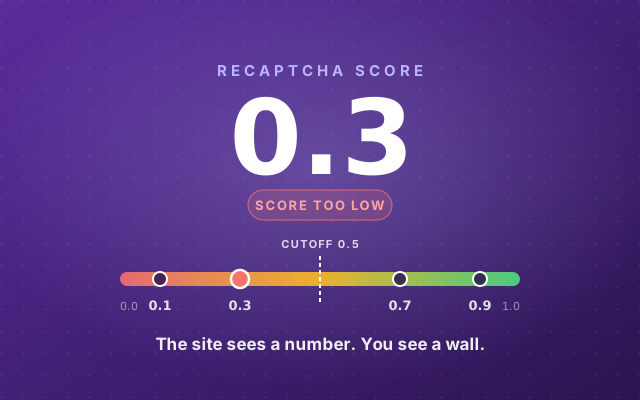
reCAPTCHA-Score zu niedrig? Bedeutung und Lösungen
„reCAPTCHA score too low“ bedeutet, dass Google deinen Besuch unter dem Grenzwert der Website bewertet hat, meist 0,5 auf einer Skala von 0,0 bis 1,0. Ursachen, Lösungen und ein Live-Test.
Aktualisiert 30. Sept. 2026
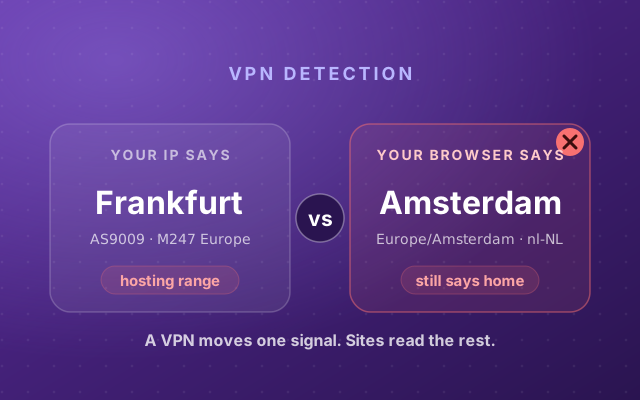
Wie Websites dein VPN erkennen (und wie du deins testest)
Seiten erkennen ein VPN am Besitzer der IP, an Reputationslisten, an einer Zeitzone oder Sprache, die noch nach Zuhause klingt, und an WebRTC. Führe den Live-Test zur VPN-Erkennung in deinem Browser aus.
Aktualisiert 25. Aug. 2026
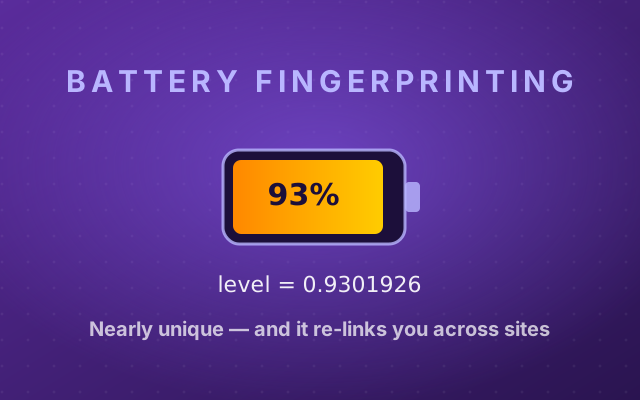
Akku-Fingerprinting: Dein Ladestand als Tracker
Ladestand und Restlaufzeit sind für einige Minuten nahezu einzigartig. Sieh live, was die Battery Status API verrät und wie Websites dich damit wiedererkennen.
Aktualisiert 25. Aug. 2026
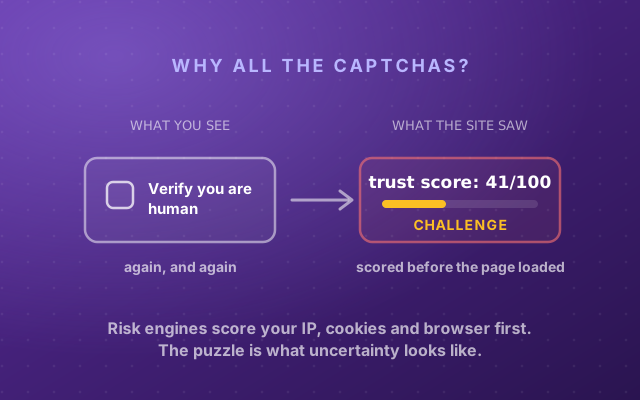
Warum du ständig CAPTCHAs bekommst (und wie du sie loswirst)
CAPTCHAs sind kein Zufall. Eine Risk-Engine hat IP, Browser, Cookies und Verhalten bewertet, bevor die Seite geladen war. Finde das Signal, das dich verrät, und teste es live.
Aktualisiert 20. Aug. 2026
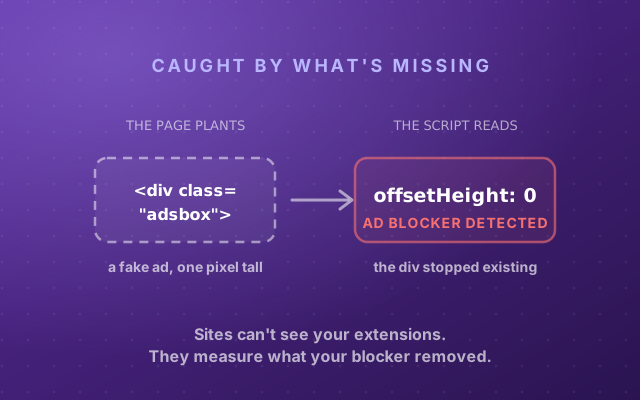
Wie Websites deinen Werbeblocker erkennen (und wann sie danebenliegen)
Anti-Adblock-Skripte platzieren falsche Anzeigen und beobachten, was mit ihnen passiert. Sieh dir die sechs Fallen an, warum sie auch Leute ohne Blocker treffen, und teste deinen live.
20. Juli 2026
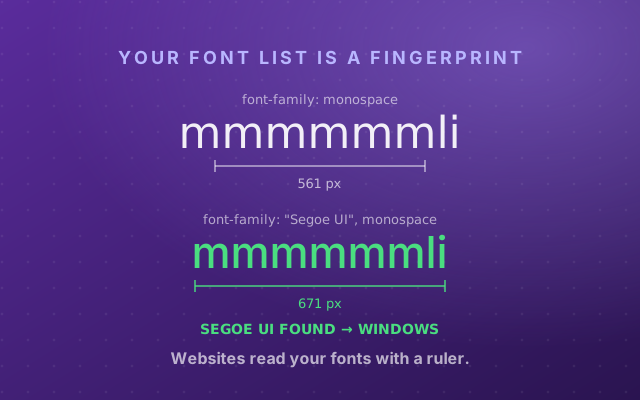
Schriftarten-Fingerprinting: Deine installierten Fonts verraten dich
Jede Website kann deine installierten Schriftarten mit einem Darstellungstrick erkennen, ohne Berechtigung. Teste deinen Font-Fingerprint live und sieh, was deine Liste verrät.
20. Juli 2026
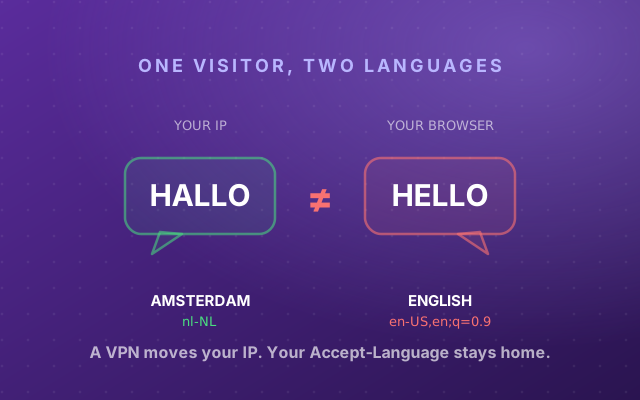
Sprach-Leak: Dein VPN ändert deine Browsersprache nicht
Jede Browseranfrage enthält einen Accept-Language-Header, den dein VPN unverändert weiterleitet. Prüfe live, ob deine Sprachen zu deiner IP passen.
Aktualisiert 20. Aug. 2026
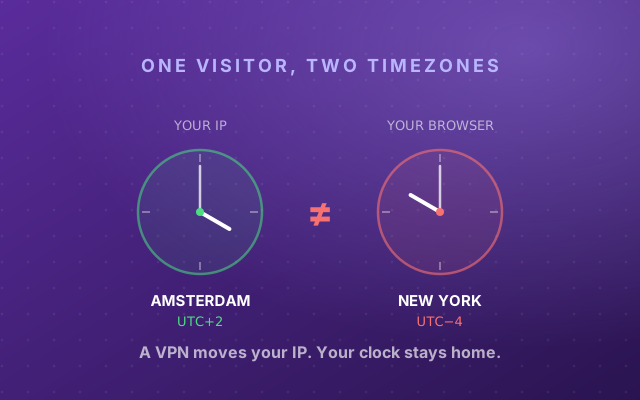
Zeitzonen-Leck: Dein VPN verschiebt deine IP, nicht deine Uhr
Jede Website kann deine OS-Zeitzone mit einem einzigen JavaScript-Aufruf auslesen. Passt sie nicht zum Standort deines VPN-Exits, wirst du geflaggt. Teste es hier live.
Aktualisiert 20. Aug. 2026
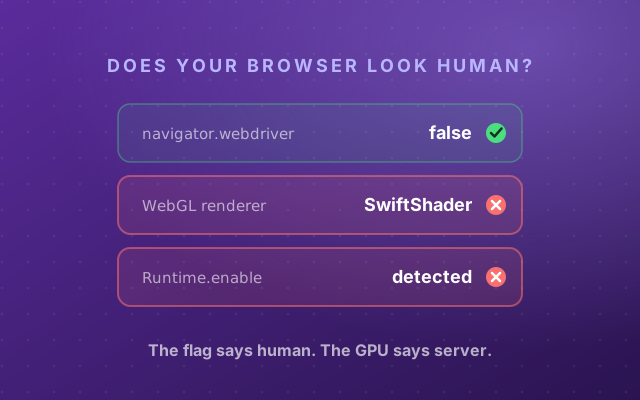
Bist du als Bot erkennbar? Teste deinen Browser auf Automatisierungs-Leaks
Selenium, Puppeteer und Playwright hinterlassen Spuren in den Browsern, die sie steuern. Teste live die Automatisierungssignale, die Anti-Bot-Systeme prüfen, und sieh, warum Stealth-Plugins einen Bot leichter fangbar machen können.
Aktualisiert 9. Okt. 2026
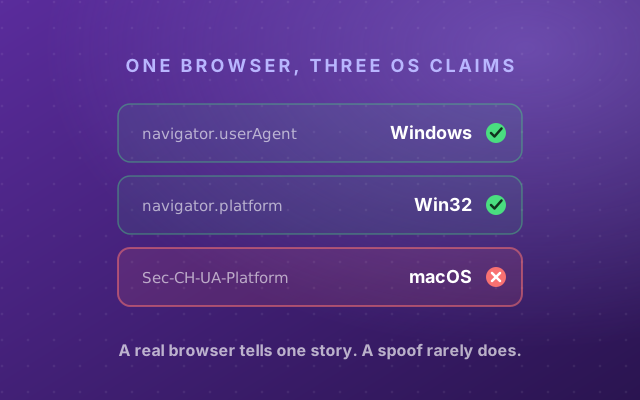
Ein Browser, fünf Betriebssystemangaben: Warum Plattform-Spoofing auffliegt
Dein Browser nennt sein Betriebssystem an fünf verschiedenen Stellen. Tracker gleichen sie ab, und eine falsche Antwort verrät die Manipulation.
Aktualisiert 30. Sept. 2026
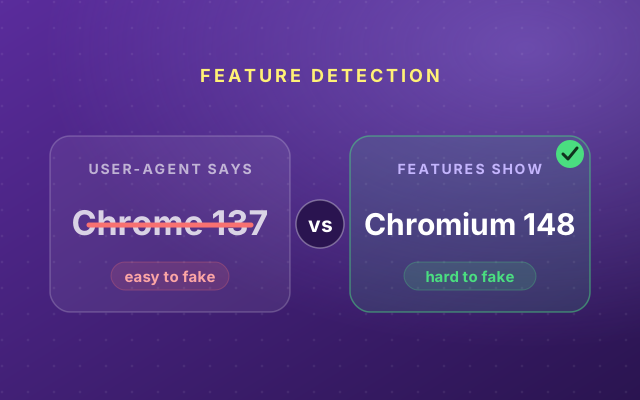
Dein User-Agent lügt. Deine Chromium-Version nicht.
User-Agent-Strings lassen sich leicht fälschen. Unterstützte Webfunktionen verraten aber die echte Chromium-Version, und widersprüchliche Versionen machen Spoofing sichtbar.
Aktualisiert 11. Juni 2026
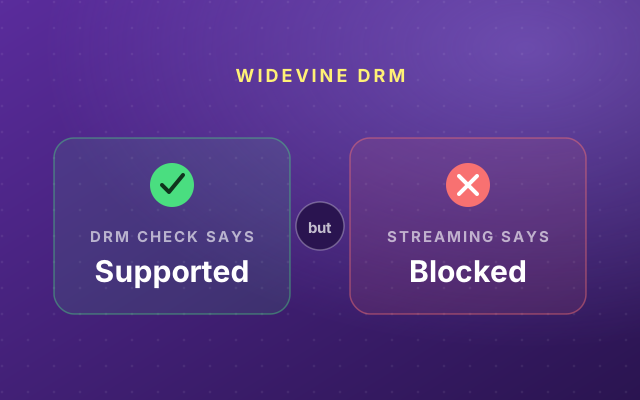
Widevine DRM vs. Anti-Detect-Browser: Die Zen-Browser-Anomalie
Warum Privacy-Browser wie Zen Widevine als unterstützt melden, aber an Netflix scheitern: wie DRM-Erkennung funktioniert und was sie über deinen Browser verrät.
Aktualisiert 30. Sept. 2026
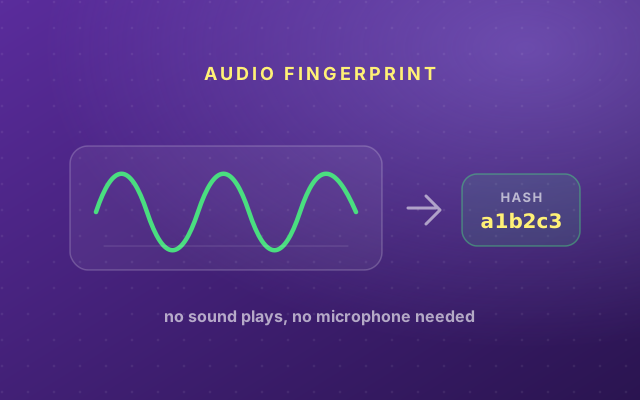
Audio-Fingerprinting: Der Klang des Trackings
Wie Audio-Fingerprinting dein Gerät mit der Web Audio API lautlos erkennt, ganz ohne Mikrofon oder Berechtigungsdialog, und wie du dich dagegen schützen kannst.
Aktualisiert 29. Juli 2026
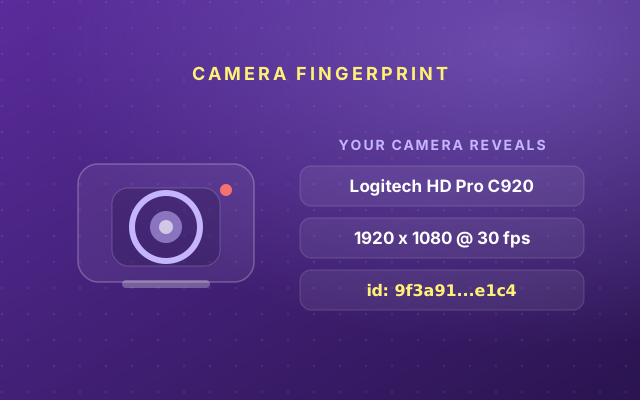
Kamera-Fingerprinting: Was deine Webcam über dich verrät
Wie Websites den Modellnamen und die Fähigkeiten deiner Kamera zum Fingerprinting nutzen, ohne ein einziges Bild aufzunehmen, und wie du ihre Einblicke begrenzt.
Aktualisiert 29. Juli 2026
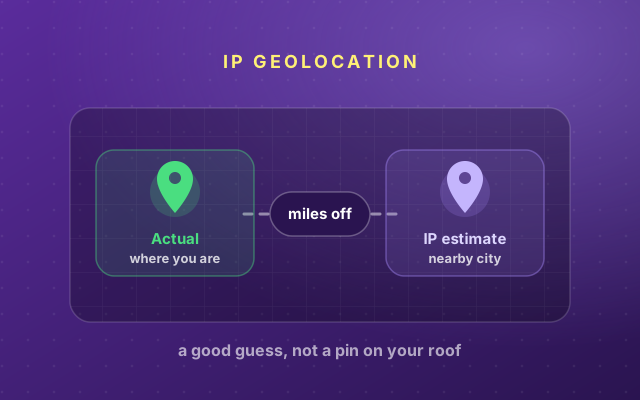
Warum die Standortbestimmung per IP ungenau ist
Erfahre, warum IP-basierte Geolokalisierung nicht immer stimmt und wie Dienste wie ipinfo.io und iphub.info zur Standortbestimmung eingesetzt werden.
21. Mai 2025
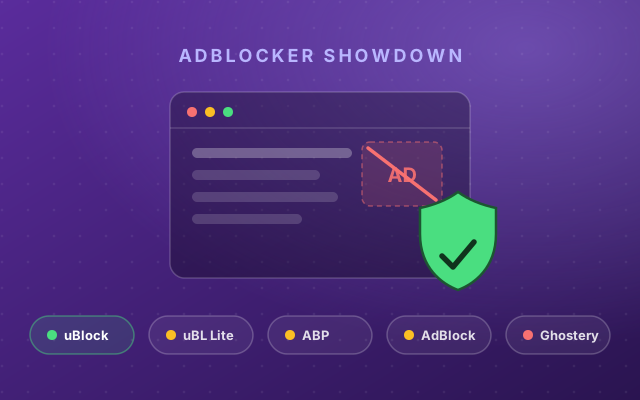
Fünf beliebte Werbeblocker im Vergleich
Ein ausführlicher Vergleich von fünf beliebten Werbeblockern, darunter uBlock Origin, Adblock Plus und Ghostery. Erfahre, welcher Schutz und welche Funktionen überzeugen.
Aktualisiert 20. Juli 2026
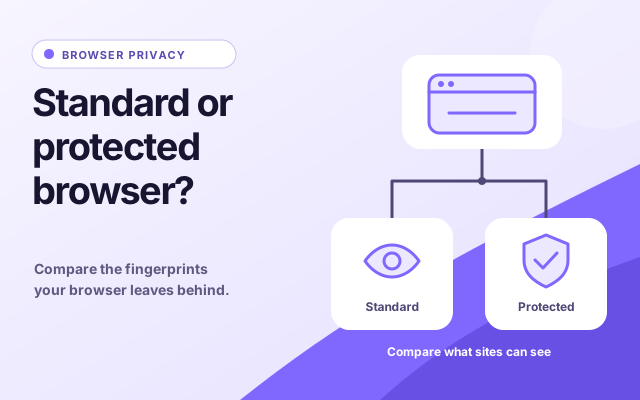
Ein normaler und ein sicherer Browser im Vergleich
Vergleiche Incogniton und Chrome beim Browser-Fingerprinting und beim Schutz vor IP-Leaks und erfahre, was ein Datenschutz-Browser tatsächlich verändert.
Aktualisiert 20. Juli 2026
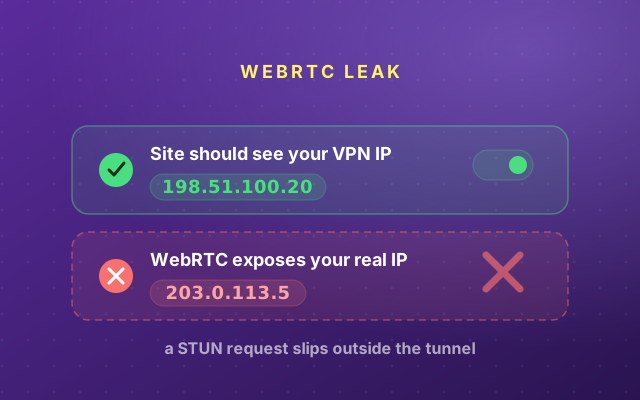
WebRTC-IP-Leaks: Was sie sind und wie du dich schützt
Erfahre, wie WebRTC trotz VPN deine echte IP-Adresse verraten kann und wie du deine Privatsphäre vor WebRTC-IP-Leaks schützt.
Aktualisiert 20. Aug. 2026
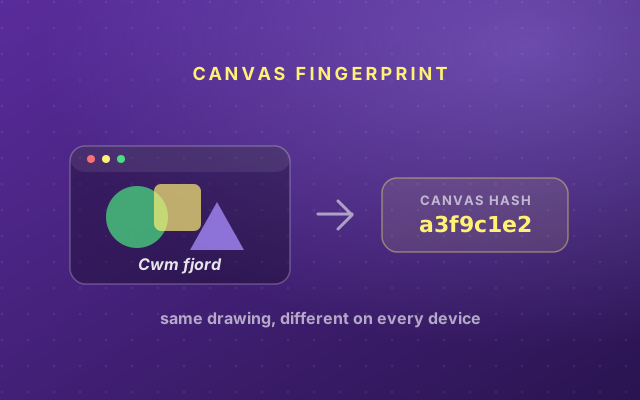
Canvas-Hash-Fingerprinting erklärt
Erfahre, was Canvas-Hashes sind, wie sie fürs Browser-Fingerprinting genutzt werden und wie du deine Privatsphäre vor Canvas-basiertem Tracking schützt.
Aktualisiert 30. Sept. 2026

